

The Best Places to Go in Asia in 2026: Full Breakdown of Every Destination
Condé Nast Traveler has revealed its list of The Best Places to Go in Asia in 2026, and Uzbekistan - with Tashkent at the forefront - stands alongside several of the continent’s most exciting destinations. Below is a full breakdown of every city and country highlighted.
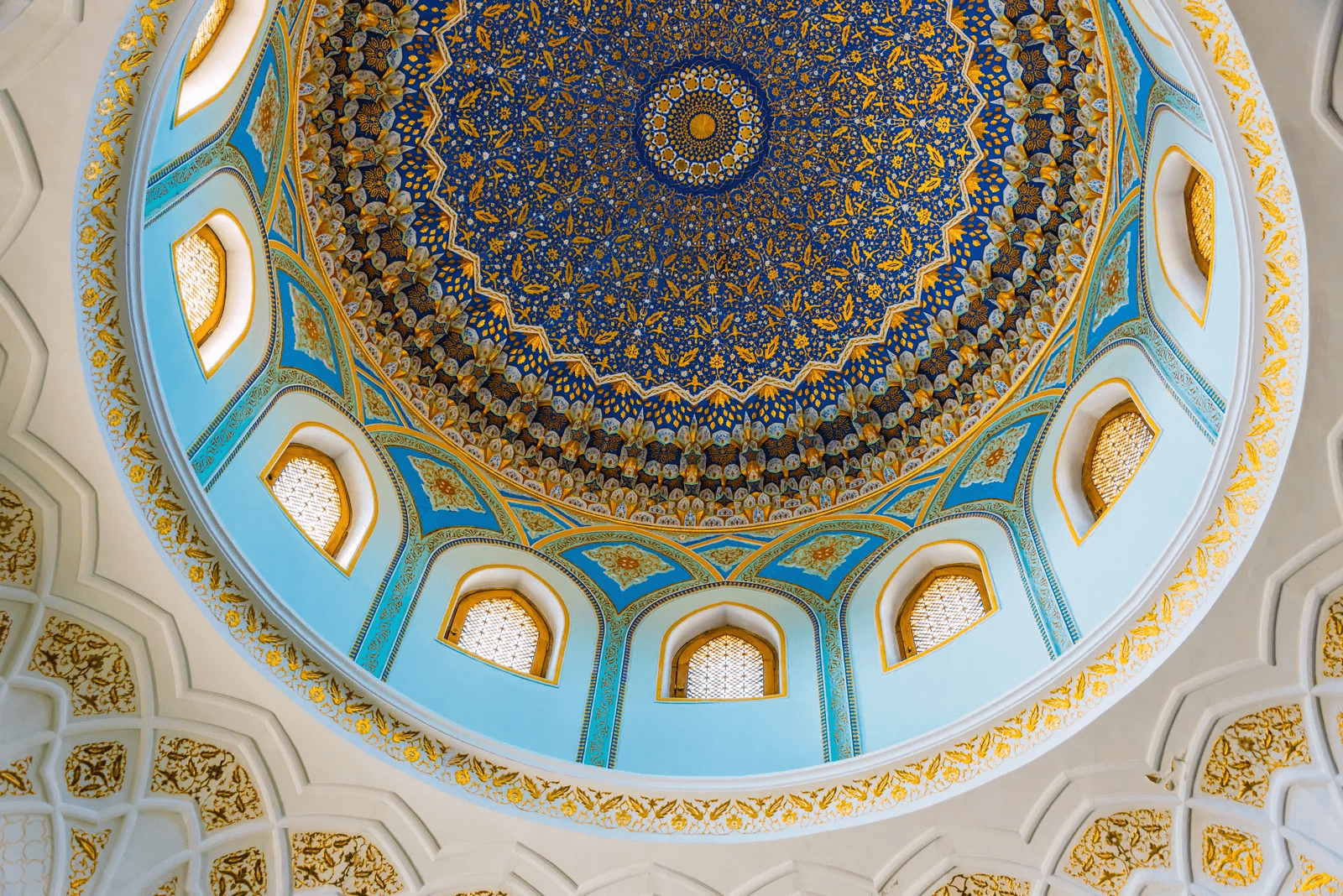
Tashkent, Uzbekistan - the new cultural capital of Central Asia
Tashkent is one of the most surprising and refreshing entries in the ranking. The city is undergoing a major transformation: new public spaces, creative districts, independent galleries, modern museums and cultural festivals are reshaping the capital’s identity.
Tashkent is becoming a place where different eras coexist - Soviet modernism blends with contemporary architecture, digital culture and youth-led creative initiatives. The city feels alive and evolving, offering travelers a chance to see how a modern metropolis grows while keeping its warm, green and diverse character.
For visitors looking for fresh cultural routes, Tashkent is turning into a vibrant center of art, gastronomy, design, music and street culture - a city where the Silk Road heritage meets new creative energy.
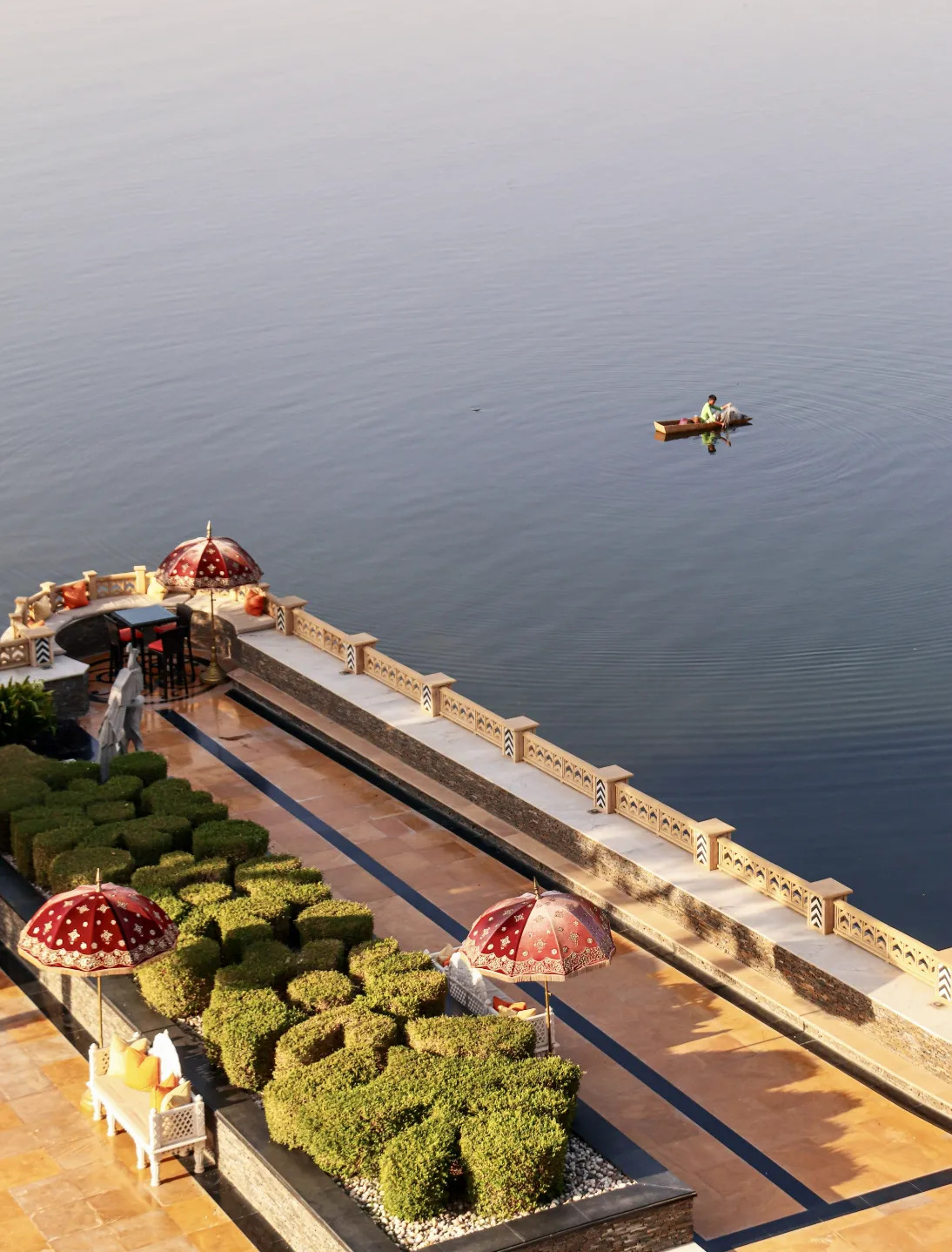
Udaipur, India - lakeside palaces and atmospheric luxury
Udaipur is often called one of the most beautiful cities in India. Surrounded by lakes, palaces, temples and historic bridges, it carries a serene charm that has earned it the nickname “the Venice of India.”
In recent years, Udaipur has become a major destination for luxury travel: palaces have been transformed into boutique hotels, new restaurants and galleries have opened, and the city now blends traditional Indian heritage with modern comfort.
Its inclusion in the list shows that India continues to surprise travelers with refined, intimate, aesthetically rich destinations beyond typical tourist routes.
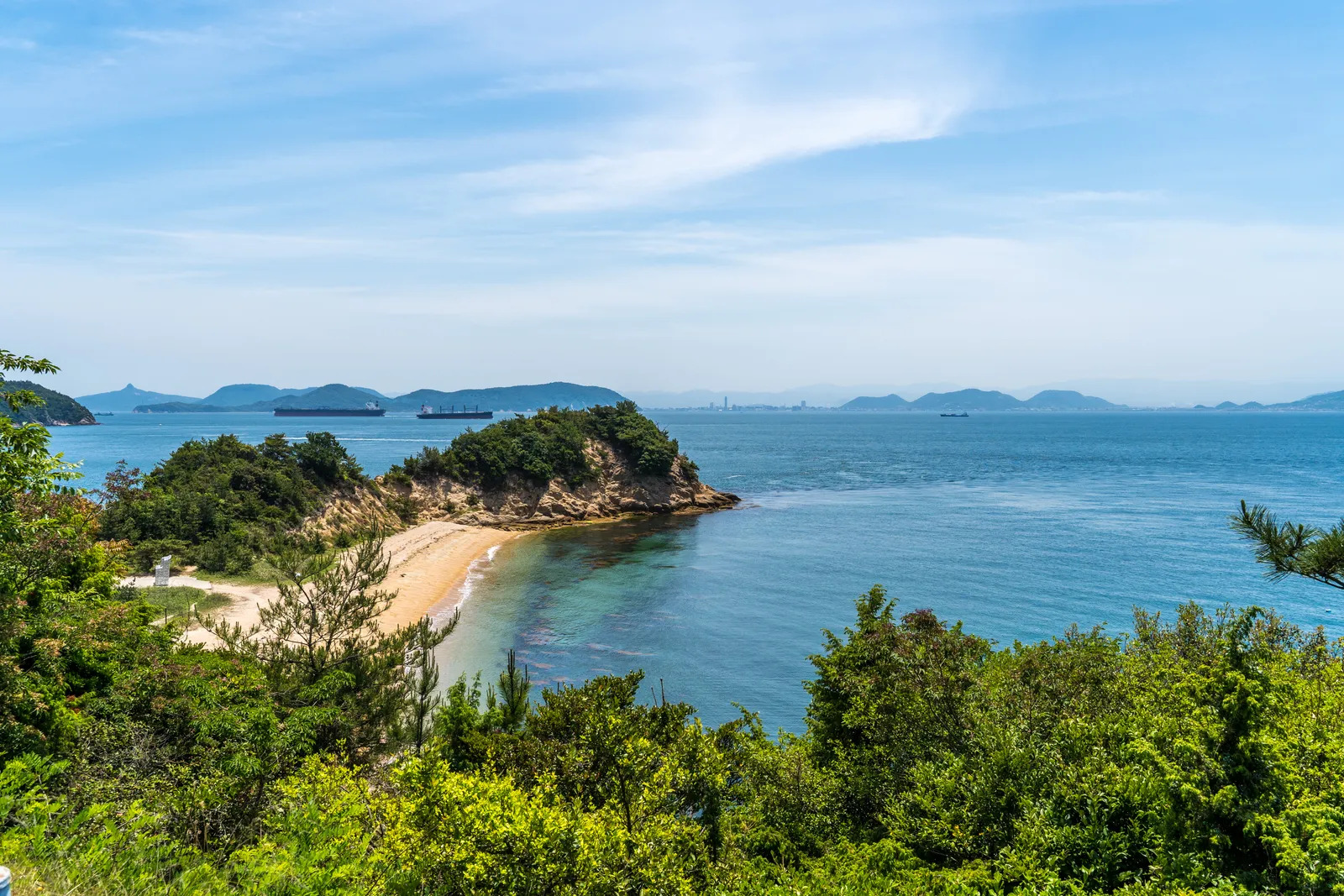
Naoshima, Japan - the island of contemporary art
Naoshima is an island-museum, a place where nature and contemporary art merge into a single unique environment. Outdoor installations, world-class architecture and museums seamlessly integrated into the landscape make Naoshima one of the most iconic art destinations in Japan.
The island’s symbol - Yayoi Kusama’s famous pumpkin - is just the beginning. Naoshima features projects by Tadao Ando, the Benesse House art complex and galleries showcasing Japanese and international artists.
In 2026, the island gains even more attention thanks to expanded cultural programs and new exhibitions. It’s the perfect place for travelers seeking quiet, minimalism and deep artistic experience outside the major cities.
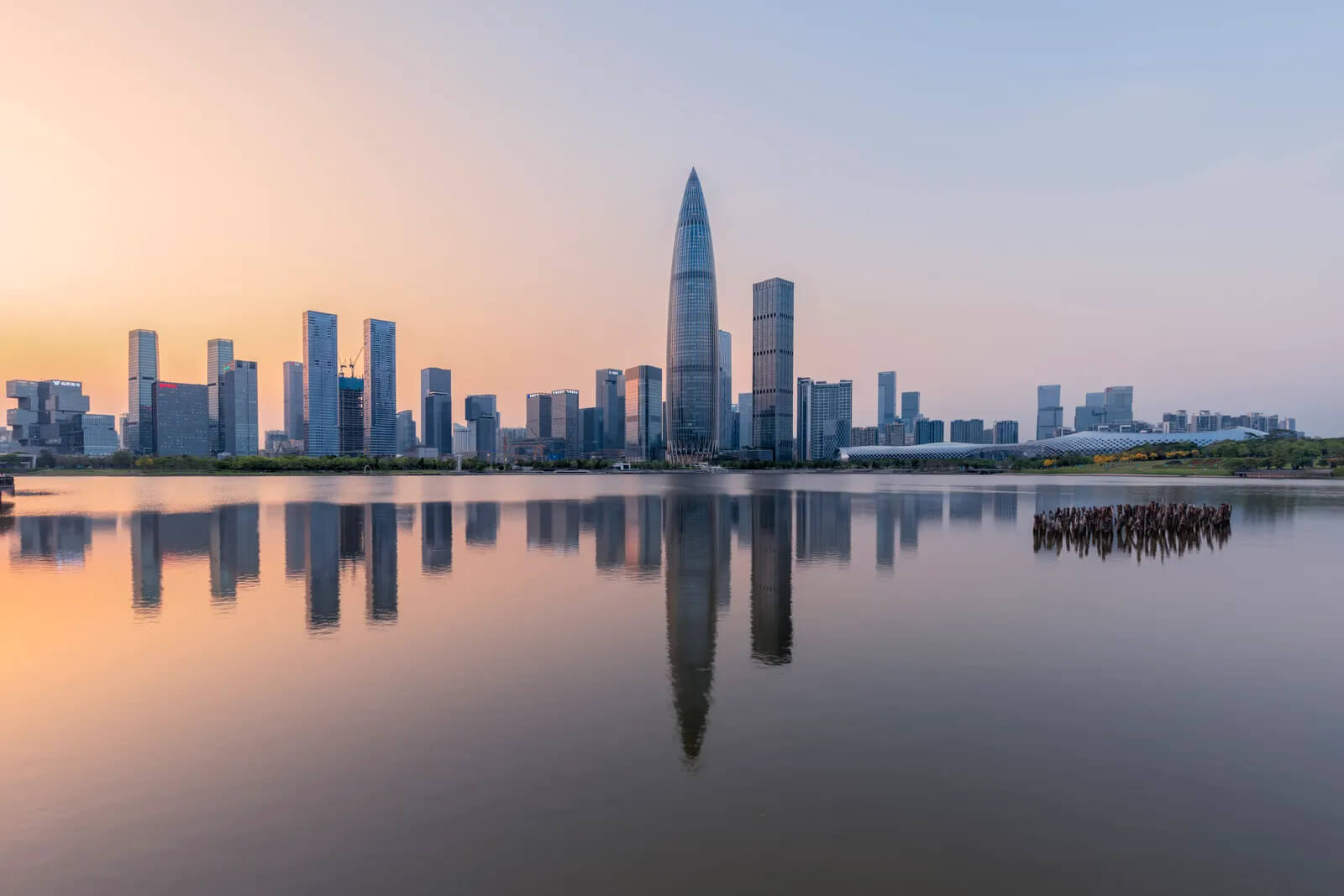
Shenzhen, China - the city of the future, now a cultural magnet
Shenzhen has long been known as China’s tech capital, but for 2026, Condé Nast Traveler highlights a different transformation: the city is evolving into a center of fashion, design, contemporary art, music and large-scale urban festivals.
New futuristic districts, creative zones, designer neighborhoods, nightlife and gastronomy make Shenzhen more exciting for travelers than ever before.
It’s a destination for those who love ultra-modern megacities - bright, bold, innovative, and constantly reinventing themselves.
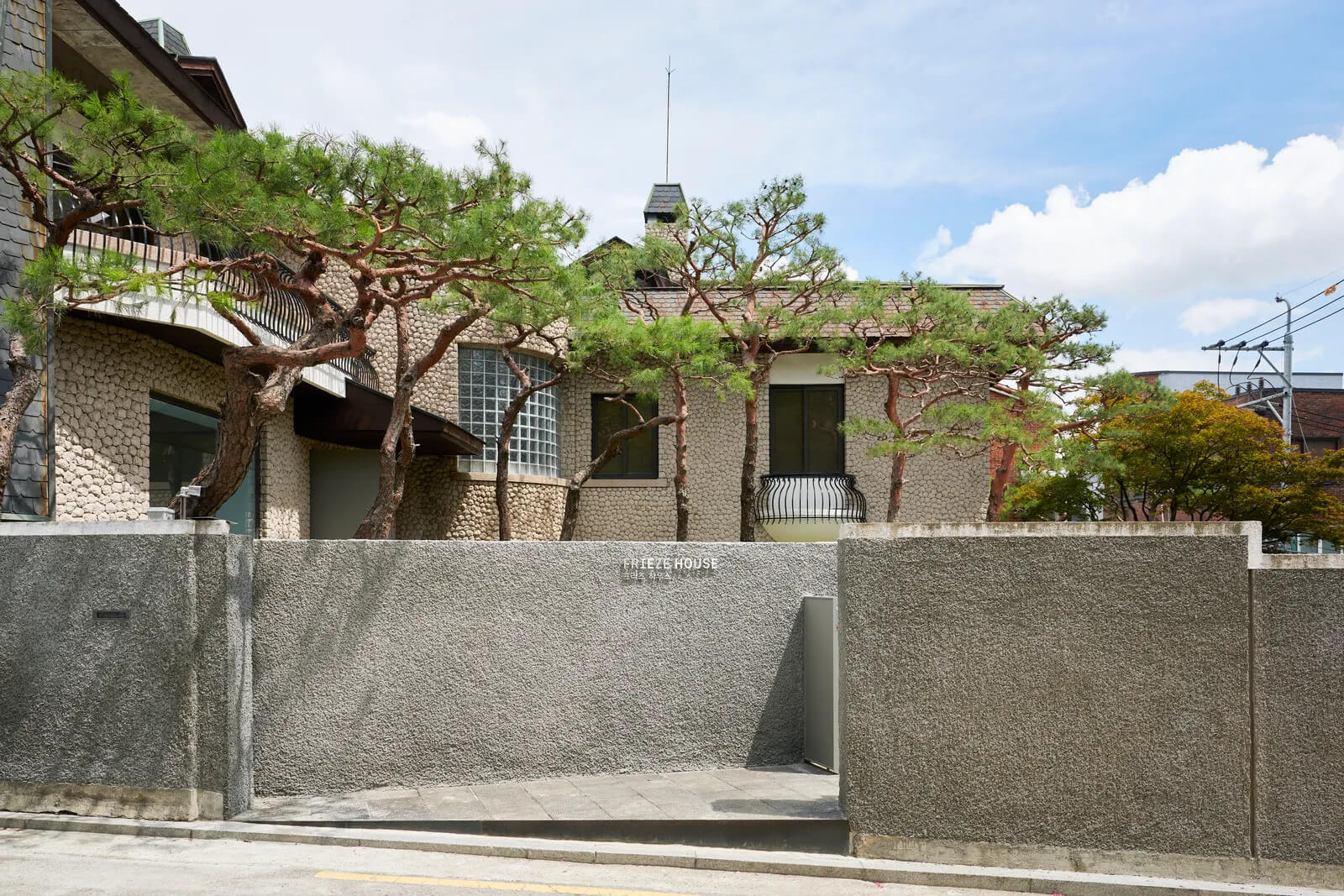
Seoul, South Korea - the global capital of lifestyle and innovation
Seoul has been a world-leading urban destination for decades, but today it is experiencing a renewed wave of global fascination.
The reason: Seoul has become the birthplace of global lifestyle culture.
Fashion, music, food, digital art, design, cultural clusters, large exhibitions, green districts, night markets - the city offers a unique mix of tradition and innovation.
Condé Nast Traveler highlights Seoul in 2026 as a destination that not only transforms itself, but also shapes the modern Asian aesthetic.
What unites all destinations of the 2026 list.
The ranking shows just how diverse Asia has become:
- from art islands to futuristic megacities,
- from quiet palace towns to powerful cultural capitals,
- from ancient heritage to creative revolutions.
In this context, Uzbekistan’s presence is especially meaningful - the country is becoming part of the new wave of Asian travel: open, dynamic, artistic and inspiring.
Source: Condé Nast Traveler